
Will AI Replace Actors? A Genuinely Honest Look (2026)
Updated: July 2026 | By Virendra Rathore, Founder — JoinFilms Academy
Short answer: AI is genuinely changing parts of the entertainment industry — background work, some voice and dubbing work, and low-budget short-form OTT content increasingly use AI tools — but it is not close to replacing lead performance, live theatre, or the emotional authenticity that skilled human actors bring to Bollywood, regional cinema, and web series alike. The realistic response for aspiring actors isn't panic, but building genuinely strong craft, staying informed about how the industry is changing, and understanding where your specific acting and audition skills remain most valuable.
The Honest Reality — What AI Can and Cannot Do Today
As of 2026, AI genuinely can generate synthetic voices, digital likenesses, and short performance-like material — and this has real, measurable impact on parts of the entertainment industry, including significant job losses in some production sectors. This isn't a topic worth dismissing or minimizing.
At the same time, AI genuinely cannot yet replicate the specific things audiences respond to in a full human performance — genuine emotional truth, real-time improvisation, the ability to develop a character through nuanced choices across a complete story, and the live, unpredictable presence of theatre and complex scene work. This is not marketing reassurance; it reflects the honest, current technical limitations of the technology, limitations that industry experts genuinely expect to persist for a meaningful period even as AI capabilities continue advancing in other areas.
Where AI Is Genuinely Affecting Acting Work
- Background and crowd work. Some lower-budget productions are genuinely using AI-generated crowds instead of hiring background actors and junior artists, reducing this specific category of entry-level casting opportunity that many newcomers traditionally relied on.
- Standard voice and dubbing work. Simpler, less emotionally nuanced voice-over and dubbing work is increasingly handled by AI voice generation, particularly for corporate narration or straightforward dubbing content that doesn't require an actor's genuine vocal craft.
- Ultra-low-budget short-form content. Some short-form mobile series and quick-turnaround OTT content now use AI-generated performance elements to reduce production costs significantly, particularly for filler or background material.
- De-aging and digital likeness use. Established film and TV actors' digital likenesses are being used in ways that raise genuine, ongoing legal and ethical questions the industry is still actively working through today.
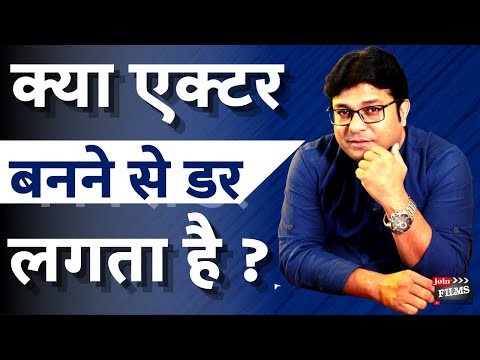
Watch: Overcoming Fear and Negativity About This Career
Virendra Rathore addresses fear and negativity that aspiring actors genuinely face — directly relevant to processing uncertainty about industry change:
What Remains Genuinely Human — And Likely to Stay That Way
- Lead dramatic performance. Complex, sustained emotional performance across a full film, web series, or TV serial storyline requires choices, revision, and human judgment that current AI genuinely cannot replicate convincingly, whether in Bollywood, regional cinema, or OTT productions.
- Live theatre. The spontaneity and direct human connection of live stage performance is fundamentally incompatible with pre-generated AI content, and theatre remains a genuine training ground and career path for serious actors.
- Genuine improvisation. Real-time creative response to an unpredictable scene partner, director's note, or last-minute script change on set remains a distinctly human skill valued across auditions and actual shoots alike.
- Physical comedy and nuanced timing. The specific, learned skill of comedic timing and physical performance on camera continues to resist convincing AI replication in film, TV, and OTT comedy content.
How Actors Can Genuinely Adapt Rather Than Worry
- Build genuinely strong, distinctive craft. The stronger and more distinctive your actual performance skill — voice modulation, emotional range, camera presence, audition technique — the more you occupy the category of work AI is furthest from replicating.
- Stay informed rather than anxious. Understanding specifically where AI is and isn't affecting the industry — casting, dubbing, background work — lets you make genuinely informed career decisions rather than reacting to headlines alone.
- Diversify your skill set. Actors who can also write, direct, produce, or work as a casting director have more genuine career resilience within the broader film industry than those relying purely on being cast by others for acting roles alone.
- Engage with industry conversations about protections. Understanding evolving conversations around performer rights and digital likeness protections helps you make informed decisions about your own career.
Watch: New Opportunities for Creators Across Platforms
Even amid industry change, genuinely new opportunities continue to emerge across OTT and digital platforms:
Protecting Your Likeness and Rights
As AI-related concerns grow across the film and entertainment industry, understanding basic protective steps is genuinely worthwhile for any working or aspiring actor:
- Read contracts carefully regarding any clauses about digital likeness, voice use, or AI training data — this is an increasingly common area of contract negotiation for actors, singers, and dubbing artists alike across film, TV, and OTT projects.
- Stay aware of industry-wide conversations about performer protections in film, TV, and OTT, even if formal union structures differ from those in other countries like the US.
- Be cautious about where you upload performance material, since some casting and self-tape platforms' terms of service include broad rights to use uploaded footage for AI training purposes.
A grounding thought: Every significant technological shift in entertainment history — sound, color, digital cameras, streaming — generated similar anxiety about the profession disappearing entirely. Each shift genuinely changed the industry's shape, sometimes dramatically, but skilled human performers remained central to it throughout every single one of these transitions. There's no absolute guarantee this specific pattern continues indefinitely into the future, but it's genuinely worth remembering when the current AI conversation feels uniquely alarming or unprecedented.
How the Industry Itself Is Responding
The entertainment industry globally is actively working through these questions rather than treating AI as a settled matter. In markets with strong performer unions, formal negotiations have specifically addressed AI usage, consent requirements for digital likeness use, and compensation structures when AI-generated content draws on an actor's recorded work or appearance.
This ongoing negotiation matters because it shows the industry itself recognizes genuine, unresolved tension here — not simply enthusiastic, uncomplicated adoption of AI across the board. Production houses balancing cost savings against audience response, legal risk, and creative quality are still actively figuring out where AI genuinely belongs in the production process and where it doesn't, and this figuring-out process is likely to continue evolving for years rather than settling quickly into a fixed, permanent arrangement.
What This Means Specifically for Indian Actors
India's entertainment industry faces this transition with some genuinely distinct considerations compared to Hollywood specifically. Formal union protections and collective bargaining structures around AI usage are less established in India currently, meaning individual actors and their contracts carry more of the responsibility for protecting their own interests in this specific area.
At the same time, India's genuinely massive content volume — across Bollywood, regional cinema, and rapidly growing OTT platforms — continues to create substantial demand for human performers, even as specific narrow categories of work shift toward AI tools. The sheer scale and diversity of Indian content production provides some genuine structural resilience that smaller industries may not have to the same degree, since so many distinct productions across so many languages and formats require human talent simultaneously.
Building Skills AI Cannot Replicate — JoinFilms Academy
Frequently Asked Questions
❓ Will AI actually replace human actors?
AI is unlikely to replace acting as a whole profession. It can generate images, voices, and short performance-like material, but a full human performance in film, TV, or theatre still depends on emotional truth, real-time judgment, and nuanced acting choices that current AI genuinely cannot replicate.
❓ Which areas of acting work are most affected by AI right now?
Background and crowd work, standard voice and dubbing work, and ultra-low-budget short-form content are the areas currently most affected, as these tasks are more straightforward for current AI technology to approximate.
❓ What acting skills remain most resistant to AI replacement?
Lead dramatic performance, live theatre, genuine improvisation, and physical comedy with nuanced timing remain the areas where skilled human actors are hardest to replicate convincingly.
❓ How should aspiring actors respond to AI-related industry anxiety?
Build genuinely strong, distinctive craft, stay informed rather than anxious about specific industry changes, diversify skills beyond pure performance, and understand basic protections around your digital likeness and contracts.
❓ Should I be worried about AI when starting an acting career in 2026?
Concern is reasonable, but panic isn't productive. Every major technological shift in entertainment history generated similar anxiety, and skilled human performers have remained central to the industry through each of them.
❓ Is India's film industry affected differently by AI compared to Hollywood?
Yes, in some ways. Formal union protections around AI usage are less established in India currently, meaning individual actors carry more responsibility for protecting their own interests, though India's massive content volume across Bollywood, regional cinema, and OTT platforms provides genuine structural resilience.
❓ Is the entertainment industry actively regulating AI use?
Yes. In markets with strong performer unions, formal negotiations have specifically addressed AI usage, consent requirements for digital likeness, and compensation structures, showing the industry recognizes genuine unresolved tension rather than treating AI adoption as simple or settled.
About the Author — Virendra Rathore
Virendra Rathore is the Founder and Chief Mentor of JoinFilms Academy. A Dadasaheb Phalke Film Foundation Award winner (Best Acting Mentor), IMDb-credited filmmaker, TEDx speaker, and bestselling author of the "Switch On Switch Off Acting Method," he brings over 25 years of active experience across acting, direction, and film education. Creator of JoinFilms — one of India's largest acting education communities, with over 2.9 million YouTube subscribers.
IMDb profile.
Career Guidance: Get Free Bollywood Career Guidance →
Related: How OTT Platforms Are Creating New Opportunities for Actors · Professional Habits That Sustain a Long-Term Acting Career · How to Become an Actor in India · Acting Portfolio and Showreel Guide · Method Acting vs Meisner Technique · JoinFilms on YouTube
 Launch your Graphy